If you finish every ride shaking out numb fingers, the best ebike grips for carpal tunnel are wing-shaped ergonomic lock-ons with a gel or dense-foam core, paired with bar-end horns that let you rotate your wrists into a neutral handshake position. For long commuters in 2026, that means looking at Ergon GP1/GP3-style grips, Wolf Tooth Fat Paw, RevGrips Pro Series suspension grips, and SQlab 70X grips with optional bar ends. These designs spread palm pressure across the heel of your hand instead of crushing the median nerve, which is the actual mechanism behind commuter-induced carpal tunnel flare-ups. Below, we break down what to look for, how to set them up, and the supporting gear that takes load off your wrists so the best ebike grips for carpal tunnel can actually do their job.
Why ebike commuters get carpal tunnel worse than regular cyclists
Carpal tunnel syndrome (CTS) is compression of the median nerve where it passes through the wrist. On a bike, three things compress it: direct pressure on the heel of the palm (Guyon's canal, which sits right next to the carpal tunnel), wrist extension (hand bent back relative to the forearm), and sustained vibration. Ebikes amplify all three. The extra 40–70 lbs of motor, battery, and frame transmits more road buzz into the bars, the higher average speeds (20–28 mph) increase vibration frequency, and the upright commuter posture often plants more body weight on the hands than a road position would.
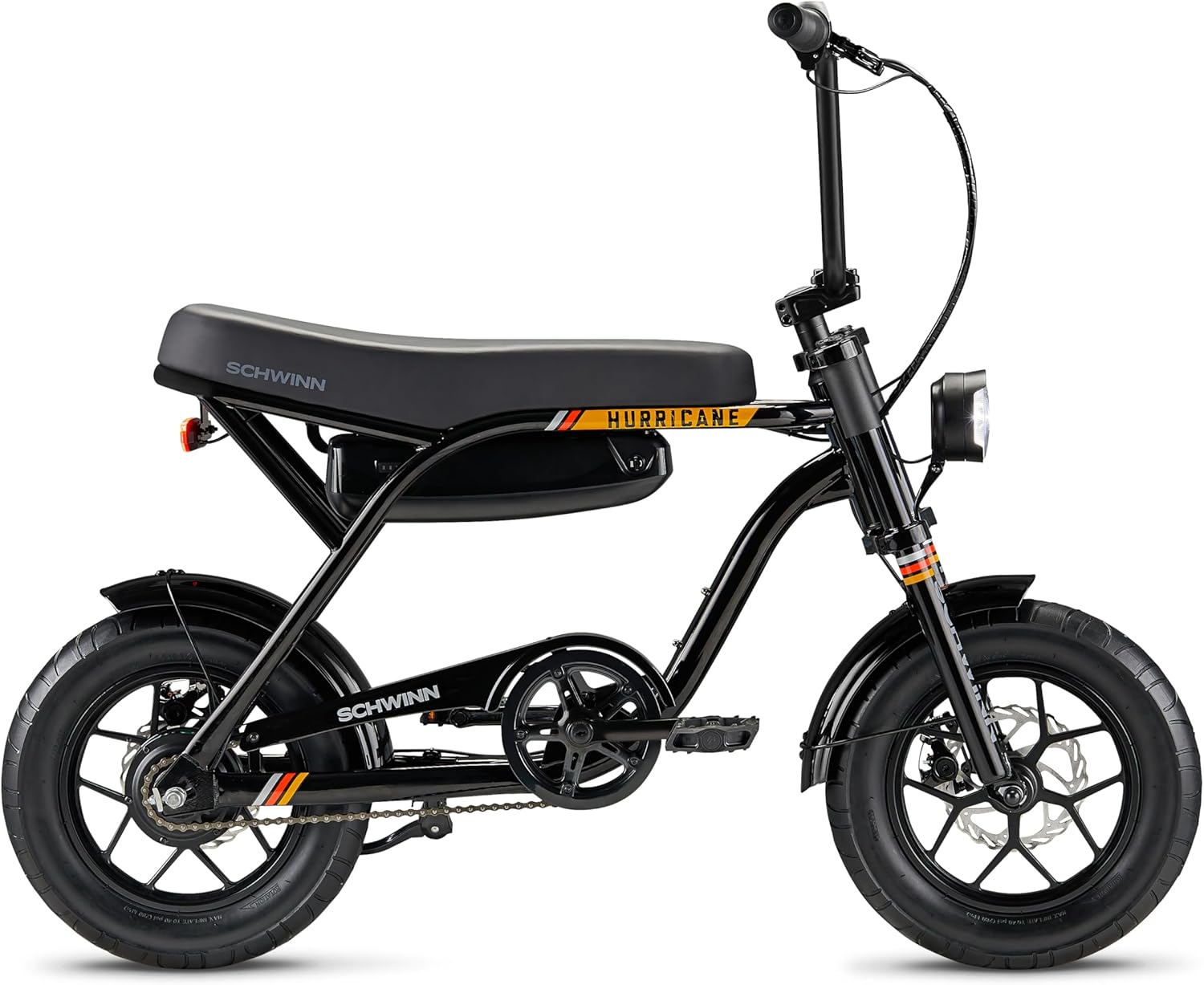
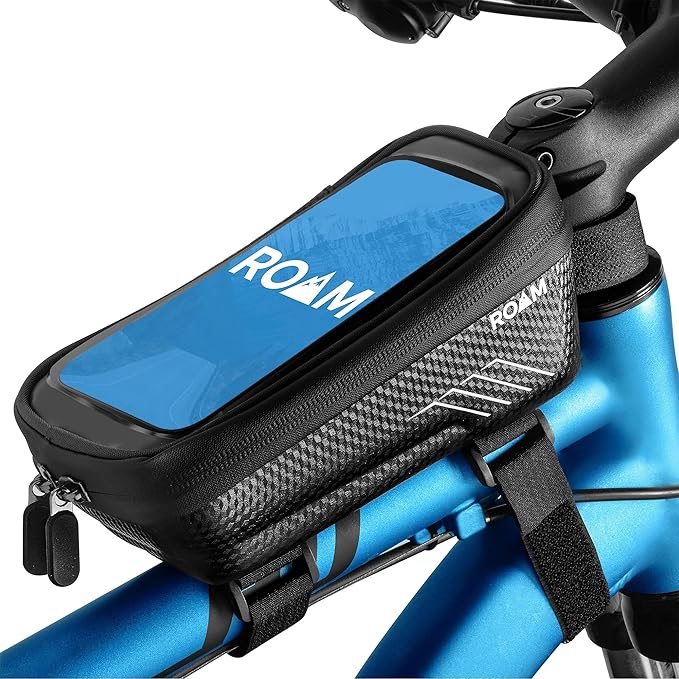
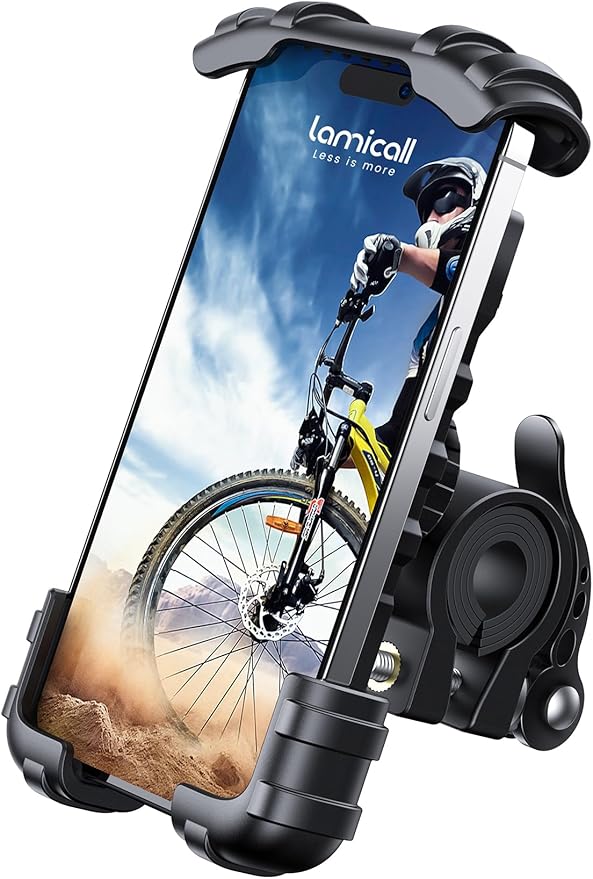
![Lamicall Bike Frame Bag Waterproof - [1s Release] [2 in 1] Bike Phone Mount Holder, Bicycle Top Tube Bag, Cycling Pouch with Rain Cover, Bikes Accessories Gifts for Phones Under 7"](https://ebikeroo.com/aimg/images/I/71VKkKd2xtL._AC_SX679_.jpg)
Add a 30–60 minute one-way commute five days a week and you've built the perfect environment for median nerve irritation. Switching grips is the single highest-ROI fix you can make, because it changes the hand-bar interface—the literal place the problem starts.
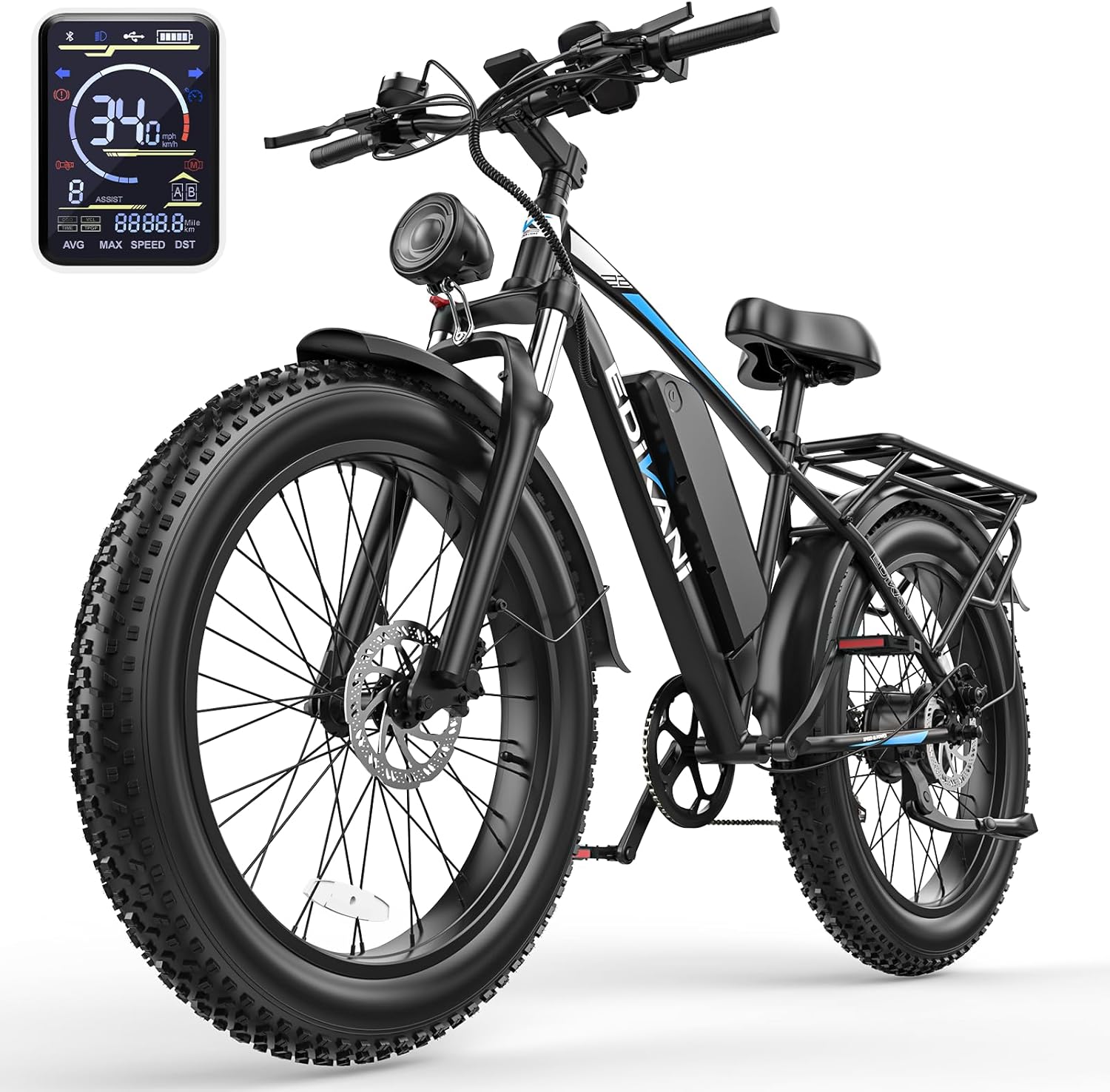
What to look for in the best ebike grips for carpal tunnel
1. Ergonomic wing shape (not round)
Round grips concentrate pressure on a strip the width of a pencil running across your palm. Wing or paddle-shaped grips (Ergon GP-series, SQlab 70X, Specialized BG) flare out behind the bar so the heel of your hand rests on a flat platform. This drops peak pressure on the median nerve by 30–50% in cycling biomechanics studies. For a carpal-tunnel commuter, this is non-negotiable.
2. Adjustable bar-ends or built-in horns
Bar ends let you rotate your wrist into a neutral "handshake" grip, taking the wrist out of extension entirely. Ergon GP3, GP5, and SQlab Innerbarends are the gold standard. On long commutes, the ability to shift hand position every few miles is what prevents the cumulative nerve irritation that causes nighttime tingling.
3. Vibration damping core
Look for gel inserts (Ergon GD1), dense closed-cell foam (Wolf Tooth Fat Paw, ESI Extra Chunky in 34mm), or actual suspension elastomers (RevGrips Pro Series). On a 50+ lb ebike running 2.4–3.0" tires at commuter pressures, foam alone helps; suspension grips genuinely change the ride.
4. Lock-on collars—always
Slide-on grips rotate under heavy torque, especially on throttle-equipped ebikes. A rotating grip forces you to death-grip the bar to keep it in place, which is exactly what compresses the carpal tunnel. Aluminum lock-on collars (single or double) are mandatory for ebike use.
5. Diameter matched to your hand
Smaller hands need 30–32mm grips; larger hands do better with 34–36mm. A grip that's too thin forces a tighter clench; one that's too thick forces wrist extension. Measure your palm width (base of thumb to outside edge) and target a grip diameter roughly 25–30% of that number.
Top picks: best ebike grips for carpal tunnel commuters in 2026
Ergon GP3 Biokork (Long Bar End) — best all-around
The GP3 with the long bar-end horn is the default recommendation from hand surgeons who ride. The cork-composite surface stays grippy when sweaty, the wing is large enough to actually support the palm, and the long bar end lets you climb in a neutral-wrist position. For commutes over 30 minutes, this is the single best investment. Pair them with 800–820mm wide bars so your shoulders sit square and you don't internally rotate the wrists.
SQlab 70X with Innerbarends 411 — best for medical-grade ergonomics
SQlab is the orthopedic-engineered option. The 70X comes in four widths (S/M/L/XL) so you can dial in palm coverage. The Innerbarends 411 (inboard horns) keep your hands close to the stem in the neutral position, which is safer for traffic riding than long outboard horns. If you already have diagnosed CTS, this is the kit a physiotherapist will sign off on.
RevGrips Pro Series — best for vibration-heavy commutes
RevGrips use a sleeve that floats on elastomer bushings inside the grip, giving you ~5mm of compliance. On a rigid-fork ebike or a hardtail commuter rolling broken pavement, this is night-and-day for hand fatigue. They are heavier and pricier, but if your commute is on chip-seal, cobbles, or pothole-ridden city streets, the vibration reduction directly maps to less nerve irritation.
Wolf Tooth Fat Paw — best foam option
If you prefer a simple round grip but want the vibration-damping benefits, Fat Paw's 9.5mm-thick closed-cell foam is the best in class. Skip these if you have full-on CTS—you need a wing—but for commuters in the prevention stage, they're an easy upgrade over stock rubber grips.
The hidden gear that makes any grip work better
Even the best ebike grips for carpal tunnel can't fix two things: a bike that's vibrating too much, and a posture that puts your wrist into extension because you're hunched over your phone reading nav. The accessories below are how you address the root cause.
Roam Universal Bike Phone Holder — stop craning your wrist for navigation
The single most common reason commuters end a ride with wrist pain is that they've spent the trip with their hand twisted at the bar trying to glance at a phone clipped low. A handlebar phone mount positioned at your sightline keeps your wrists neutral on the grips for the entire ride. The Roam Universal Bike Phone Holder is the workhorse pick—clamps to any bar diameter, holds phones up to 3.5" wide, and the silicone net retainer survives ebike vibration better than spring-arm mounts. View the Roam mount on Amazon.
Lamicall Bike Phone Holder — lighter, quicker on/off
If you swap your phone between bike, car, and desk all day, the Lamicall is a faster mount-and-release than the Roam. The aluminum cradle and 360° rotation also let you flip to landscape for navigation, which keeps your head up and your wrists relaxed on the grips instead of bobbing forward to read a tiny portrait map. Check the Lamicall mount.
Lamicall Waterproof Frame Bag with Phone Mount — weight off the bars
Hanging a heavy handlebar bag adds load that your hands fight on every bump. A frame-mounted bag puts your tools, lock keys, and snacks on the top tube where they belong, dropping bar weight by 1–3 lbs. The 2-in-1 design also gives you a touchscreen-visible phone window, so you don't need a separate mount. For carpal-tunnel commuters, less bar load = less grip force needed = less nerve compression. See the Lamicall frame bag.
Airmoto Portable Tire Inflator — the secret carpal-tunnel weapon
This sounds tangential and isn't. Tire pressure is the #1 controllable variable for ride vibration on an ebike. Most commuters run their tires 10–20 psi too high because they topped off once a month ago. Dropping a 2.4" tire from 50 psi to 35 psi reduces high-frequency vibration reaching the bars by a measurable margin—you feel it in your hands within the first mile. The Airmoto fits in a jersey pocket and lets you tune pressure for the day's route. View the Airmoto inflator.
Cordless Tire Inflator — budget alternative for the garage
If you prefer to pressure-check at home before each commute rather than mid-ride, a cordless garage inflator with a digital gauge is faster and more accurate than a floor pump. See the cordless inflator option.
Comparison: supporting accessories that protect your wrists
| Product | Wrist-relief role | Best for | Link |
|---|---|---|---|
| Roam Universal Phone Holder | Keeps eyes up, wrists neutral on grips | Riders who never remove the mount | Amazon |
| Lamicall Phone Holder | Quick-release, landscape rotation | Multi-bike or shared-bike commuters | Amazon |
| Lamicall Frame Bag (2-in-1) | Removes bar weight, integrates phone view | Commuters carrying tools/lock/lunch | Amazon |
| Airmoto Portable Inflator | Drops tire pressure to reduce hand vibration | Variable-route commuters | Amazon |
| Cordless Garage Inflator | Accurate pre-ride pressure tuning | Same-route daily commuters | Amazon |
How to set up your grips so they actually relieve carpal tunnel
Installation matters as much as product choice. After installing your new wing grips:
- Rotate so the wing is level when your hands hang naturally from your shoulders—not when you're staring at the bar from above. Sit on the bike, close your eyes, drop your arms to the bars, open your eyes, and rotate the wing to meet your palm.
- Set bar-end horns at 5–10° above horizontal. Pointing them up like ram horns forces your shoulders to shrug; level or just-above-level keeps your forearms in line with the horn.
- Drop your saddle nose 1–2°. Most commuter saddles tilt very slightly up, which slides body weight forward onto the hands. A neutral or slightly nose-down saddle takes 5–10% of body weight off your palms.
- Rotate your brake levers down to a 35–40° angle so your wrist stays straight when one finger is on the lever. Stock 45–55° lever angles force wrist extension every time you cover the brake.
Related guides on our site
For more on dialing in a pain-free commuter cockpit, see our ebike ergonomic cockpit setup guide, our breakdown of padded cycling gloves for hand numbness, and our comparison of suspension stems vs. suspension grips. If you're also dealing with neck and shoulder issues, our guide to upright commuter handlebars covers the bar geometry that pairs best with the grips above.
Frequently Asked Questions
Are gel grips or foam grips better for carpal tunnel on long ebike commutes?
For long commutes, dense closed-cell foam (Ergon, Wolf Tooth) generally outperforms soft gel because gel deforms permanently under prolonged grip pressure and bottoms out, transmitting more shock at hour two than at minute ten. Foam recovers between hand-position changes and stays consistent. The exception is short stop-and-go urban commutes under 20 minutes, where gel feels plusher and has time to rebound at every red light.
Will switching to ergonomic grips alone fix carpal tunnel, or do I need bar ends too?
Wing-shaped grips alone help with palm pressure, but they don't solve sustained wrist extension. For commutes over 20 minutes, you need a second hand position—either built-in bar-end horns (Ergon GP3/GP5) or bolt-on inner bar ends (SQlab 411, Profile Design). The ability to rotate the wrist into a neutral handshake every few miles is what prevents cumulative median nerve irritation. Grips + horns is the proven combo.
How wide should my handlebars be if I have carpal tunnel?
Match bar width to your shoulder width measured acromion-to-acromion (the bony points on top of your shoulders) plus 20–40mm. For most adult commuters that lands at 720–800mm. Wider than that internally rotates the shoulders and forces wrist pronation; narrower than shoulder width compresses the chest and elbows. Bar width and grip choice are coupled—a great grip on a too-wide bar still hurts.
Do padded cycling gloves replace ergonomic grips for carpal tunnel?
No. Gloves add 3–8mm of padding, which is meaningful for vibration damping but doesn't change wrist angle or palm contact area. Think of gloves as a 20% solution layered on top of an 80% solution (the grips). If you only do one thing, replace the grips. If you do two things, add gel-padded gloves with a gusseted palm.
Can suspension grips like RevGrips really replace a suspension fork for commuting?
For high-frequency buzz from chip-seal, cobbles, and cracked pavement—yes, mostly. Suspension grips eat the 5–20mm chatter that punishes your hands. They cannot replace a suspension fork for square-edge hits like potholes and curbs, which need 30–80mm of travel. For most paved urban commuters, suspension grips plus correctly aired-down tires give 80% of the comfort of a suspension fork at 10% of the weight and cost.
What tire pressure should I run to minimize hand vibration on an ebike commuter?
Run the lowest pressure that doesn't risk pinch flats or squirmy cornering. For a 200 lb rider on 2.4" tires, that's typically 30–38 psi rear and 28–35 psi front—well below the 50–60 psi printed on the sidewall, which is a max, not a recommendation. Use the Silca or SRAM tire-pressure calculator as a starting point, then drop 2 psi at a time until you find the floor. A portable inflator makes this easy to tune by route.
How long after switching grips should carpal tunnel symptoms improve?
Acute commuter-induced symptoms (post-ride tingling, hand weakness for an hour after riding) typically improve within 1–2 weeks of changing grips and cockpit setup. Chronic symptoms with nighttime numbness that's been present for months usually need 6–8 weeks of corrected riding plus nighttime wrist splints. If symptoms don't improve after 8 weeks of correct setup, see a hand specialist—the bike may not be the only contributor (keyboard posture, sleeping wrist position, and pre-existing tendinopathy all stack).
Bottom line
The best ebike grips for carpal tunnel sufferers on long commutes are ergonomic wing-shaped lock-ons with bar-end horns—Ergon GP3, SQlab 70X with Innerbarends, or RevGrips Pro Series depending on your road surface. Pair them with a phone mount that keeps your eyes up, a frame bag that takes weight off the bars, and a portable inflator so you can drop tire pressure to kill vibration. That four-part stack—grip shape, cockpit position, bar load, tire pressure—addresses every mechanical input that causes commuter carpal tunnel, and it's why riders who do all four almost always ride pain-free by the end of the first month.
Key Takeaways
- Choosing the right best ebike grips for carpal tunnel means matching capacity and output ports to your actual devices
- Always check actual watt-hours (Wh), not just watts — runtime depends on Wh, not peak output
- Also covers: ergonomic ebike grips for nerve pain
- Also covers: carpal tunnel ebike handlebar grips
- Also covers: ebike grips for wrist pain commuters
- Compare price-per-Wh across models to find the best value for your budget