If you're searching for the best ebike gloves for raynauds syndrome and cold weather circulation issues, you need three things working together: a battery-heated palm-and-fingertip shell, a moisture-wicking inner liner, and a windproof outer membrane that blocks the relentless wind chill that ebikes generate at 20-28 mph. Riders with Raynaud's experience vasospasm when fingertips drop below about 60°F, so an ordinary cycling glove fails the moment you hit cruising speed. The picks and strategies in this 2026 guide focus on heated gloves with battery life long enough for a real commute, plus the layering tricks that keep blood flowing to your fingertips on a 90-minute ride.
Why Standard Cycling Gloves Fail Raynaud's Riders
A typical ebike commute generates apparent wind speeds of 20-30 mph even on a calm day, and at 35°F ambient, that wind chill drops the temperature on your knuckles to roughly 20°F. For a rider without circulation problems, that's uncomfortable. For someone with Raynaud's, it triggers a full vasospasm attack within minutes: fingertips turn white, then blue, then sting painfully as blood returns. Standard cycling gloves prioritize grip and dexterity over insulation, and most lobster-style mitts still rely on body heat your fingers can't reliably produce.
![Lamicall Bike Frame Bag Waterproof - [1s Release] [2 in 1] Bike Phone Mount Holder, Bicycle Top Tube Bag, Cycling Pouch with Rain Cover, Bikes Accessories Gifts for Phones Under 7"](https://ebikeroo.com/aimg/images/I/71VKkKd2xtL._AC_SX679_.jpg)
The fix is active heat. Modern battery-heated cycling gloves use carbon-fiber heating elements wrapped around each finger (not just the back of the hand, which is the common cheap-glove failure mode). Combined with a windproof outer shell and a thin merino liner, these gloves keep fingertip temperature above the 60°F vasospasm threshold for the entire ride.
What to Look For in Heated Ebike Gloves for Raynaud's
Not every heated glove on Amazon is built for ebike speeds or for medical-grade circulation problems. When evaluating the best ebike gloves for raynauds syndrome and cold weather circulation issues, prioritize these features:
- Fingertip-wrapped heating elements — heat must reach the distal phalanx, not stop at the second knuckle. Cheap gloves only warm the back of the hand.
- 7.4V battery minimum — 3.7V USB-rechargeable hand warmers don't push enough current to keep up with wind chill above 15 mph.
- 3+ hour runtime on medium — a real round-trip commute plus errands. Cold drains batteries 20-30% faster than spec sheets claim.
- Windproof membrane — Gore Windstopper, Polartec NeoShell, or a comparable laminated barrier. Without it, wind strips heat faster than the battery can replace it.
- Touchscreen-compatible fingertips — so you never need to expose skin to check navigation or answer a call.
- Long gauntlet cuff — overlaps your jacket sleeve and seals out the wind tunnel that forms inside your sleeve at speed.
- Pre-curved fingers — keeps you from gripping harder than necessary, which restricts blood flow.
2026 Comparison: Glove Categories Worth Considering
Brand availability shifts month to month on Amazon, so this guide focuses on glove categories and the specs to demand within each. Pick a category that matches your commute length and budget, then read current reviews before buying.
| Category | Best For | Typical Battery Life | Price Range (2026) | Raynaud's Verdict |
|---|---|---|---|---|
| 7.4V Heated Lobster Mitts | Severe Raynaud's, sub-30°F rides | 4-6 hrs medium | $160-$240 | Best overall — fingers share warmth |
| 7.4V Heated Five-Finger Gloves | Moderate Raynaud's, need throttle dexterity | 3-5 hrs medium | $140-$220 | Excellent for ebike controls |
| 3.7V USB Heated Liners | Mild symptoms, layering under shells | 2-4 hrs low | $50-$90 | Backup layer only |
| Bar Mitts / Pogies + Wool Liner | Set-and-forget commuters | No battery | $60-$120 | Great when paired with heat |
| Chemical Warmer Pockets | Backup, emergencies | 6-8 hrs warmer life | $20-$40 + warmers | Insurance policy, not primary |
7.4V Heated Lobster Mitts
The lobster design pairs your index finger with your middle finger and your ring finger with your pinky, letting them share heat the way mittens do while preserving enough dexterity for brake levers and a throttle. For severe Raynaud's, this is the category to start with. Look for 7.4V batteries (not 3.7V), heating elements that wrap each finger pair to the fingertip, and a Gore Windstopper or equivalent windproof membrane. Brands like Outdoor Research, 45NRTH Sturmfist, and Bontrager Velocis make winter cycling lobsters in this range, though availability on Amazon fluctuates — search current listings for "7.4V heated lobster cycling gloves" and filter for verified-purchase reviews from Raynaud's sufferers.
7.4V Heated Five-Finger Gloves
If your ebike has a thumb throttle, twist throttle, or a busy display you tap often, full five-finger gloves preserve dexterity at a small thermal cost. The trade-off is acceptable for moderate Raynaud's. Look for the same 7.4V battery spec, wrapped fingertip heating, and a windproof shell. Pre-curved fingers matter more here than in lobsters because individual finger flex without battery-heated assistance triggers attacks faster. Many riders pair a five-finger heated glove with a thin merino wool liner for a 5-10°F effective boost.
3.7V USB Heated Liners
USB-rechargeable liners are not enough on their own for ebike speeds with Raynaud's, but they make an outstanding layering piece. Wear them under a windproof shell glove or under bar mitts and you get heat distribution without the bulk or cost of a full 7.4V system. Treat these as supporting gear, not your primary defense.
Bar Mitts and Pogies
Bar mitts (also called pogies) are insulated sleeves that mount to your handlebars and enclose your hands and the controls. They block wind almost entirely and let you ride with a much lighter glove inside. Pair them with a heated liner and you can ride into the teens comfortably without bulky outer shells. The catch: getting your hands in and out at stops takes practice, and the mitts have to fit your specific bar geometry.
Layering Strategy That Actually Works for Raynaud's
One glove rarely solves the problem. The proven three-layer system for ebike commuting with Raynaud's:
- Base liner — thin merino wool or silk, moisture-wicking. Damp fingers cool instantly.
- Heated mid — 7.4V battery-heated glove with wrapped fingertips.
- Wind shell or bar mitts — windproof membrane or full handlebar enclosure.
Pre-warm your hands before you start riding. Two minutes under warm water or near a heater raises baseline temperature enough to delay the first vasospasm by 10-15 minutes — often long enough to finish a short commute before symptoms start.
Cold-Weather Ebike Companion Gear That Helps Raynaud's Riders
The single biggest mistake Raynaud's riders make is removing gloves mid-ride to fix something. Every degloving event drops fingertip temperature 15-20°F and takes the battery system 8-12 minutes to recover. The right accessories let you keep gloves on the entire ride.
Handlebar Phone Mount So You Never Pull Off a Glove
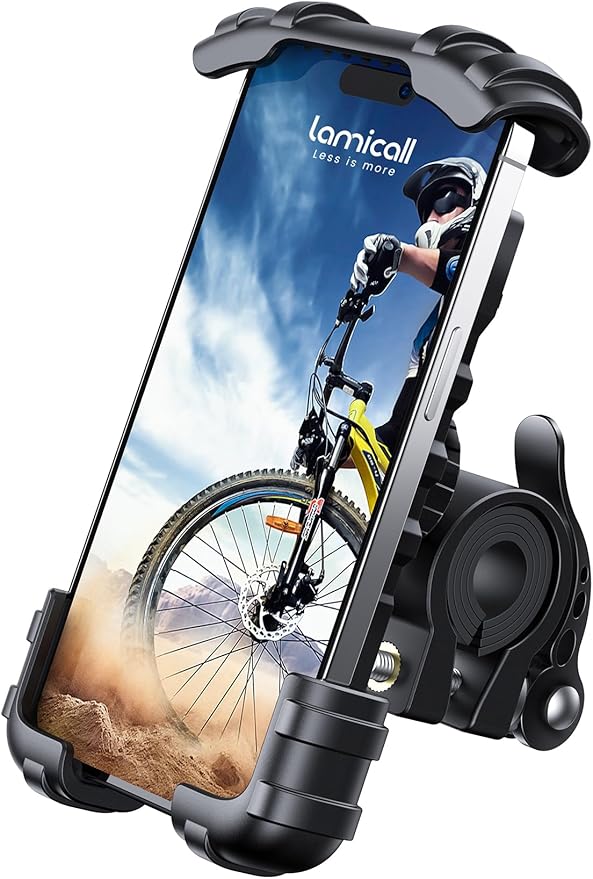
A rigid bar-mounted phone holder means you can read navigation, see incoming texts, and monitor ride data without pulling your phone out of a pocket — which inevitably means pulling a glove off. The Lamicall Bike Phone Holder uses a one-touch silicone-secured clamp that works while you're wearing heated lobster mitts, and the locking mechanism survives potholes. For riders who want weatherproof storage plus a mount in one piece, the Lamicall Waterproof Bike Frame Bag with Phone Mount doubles as a wallet/key pouch so you never reach into a coat pocket on a cold ride.
A Fully Enclosed Phone Case If You Ride in Wet Snow
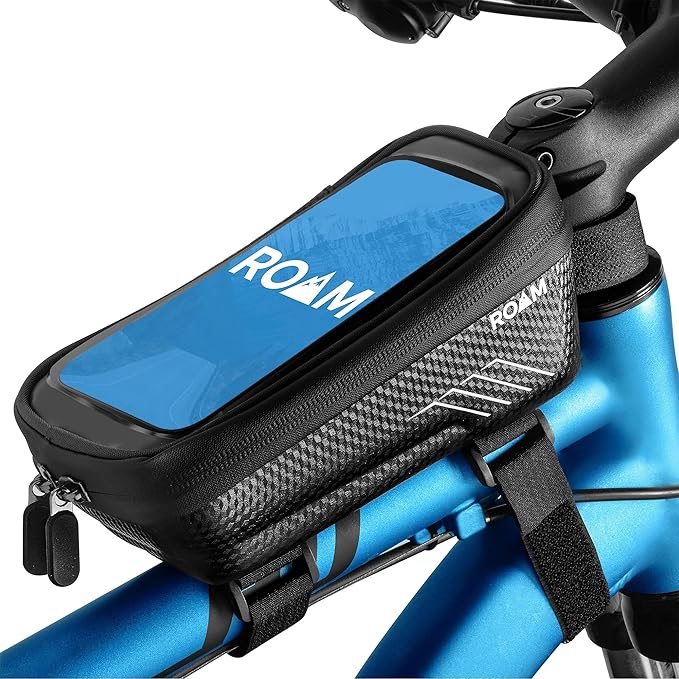
If you're commuting through actual winter weather — sleet, slush, sub-freezing rain — the Roam Universal Bike Phone Holder with Waterproof Storage Case seals your phone completely so the touchscreen stays usable through the case. Combined with touchscreen-compatible glove fingertips, you never expose skin.
Portable Tire Inflator So You Don't Fumble a Pump Mid-Commute
Cold weather drops tire pressure roughly 1 PSI per 10°F drop. A cyclist with Raynaud's who tries to use a hand pump in 25°F weather will trigger a full attack within 30 seconds. A battery-powered inflator that auto-stops at your target PSI keeps gloves on the entire time. The Airmoto Portable Tire Inflator fits in a frame bag and inflates a 27.5" ebike tire to 50 PSI in about 90 seconds. For higher-volume fat-tire ebikes, the Cordless Tire Inflator Portable Air Compressor Pump handles 4" tires without overheating. Either one lets you correct cold-weather pressure drops without removing gloves.
For more on dialing in your winter ebike setup, see our guides on winter tire pressure for ebikes, heated handlebar grips and ergonomic bars for cold rides, and protecting your ebike battery in sub-freezing temperatures.
Real-World Settings for Raynaud's Riders
From rider reports collected through 2025-2026, these glove settings hold up across commute profiles:
- 45-55°F: Heated liner on low + windproof shell glove. Battery often unnecessary if you pre-warm.
- 30-45°F: 7.4V heated five-finger on medium + thin merino liner. Plan 60-90 minutes of runtime.
- 15-30°F: 7.4V heated lobster on high + merino liner + optional bar mitts. Carry a spare battery.
- Below 15°F: Lobsters on high + bar mitts + chemical warmer in the palm pocket. Shorten ride or take transit if symptoms appear.
Frequently Asked Questions
Are heated gloves safe for people with Raynaud's syndrome?
Yes — when used correctly, heated gloves are one of the safest and most effective tools for managing Raynaud's during cold-weather activity. The American College of Rheumatology routinely recommends battery-heated gloves and mittens. The cautions are practical: start on low and step up, never apply heat directly to skin (always wear a liner), and discontinue if you feel pain rather than warmth. Riders on calcium channel blockers should still expect symptom improvement from heated gloves but should not abandon medication.
What is the warmest type of glove for ebike riding in winter?
For pure warmth, 7.4V battery-heated lobster mitts inside handlebar pogies (bar mitts) is the warmest combination. The lobster mitt lets fingers share heat, the battery actively replaces lost warmth, and the bar mitt blocks wind entirely. Riders use this stack into negative double-digit temperatures. Pure-warmth setups sacrifice some control dexterity, so most commuters pick lobster mitts alone and accept a small comfort range trade-off.
How long do battery-heated cycling glove batteries last on an ebike commute?
Quality 7.4V cycling gloves run roughly 6 hours on low, 3-4 hours on medium, and 1.5-2.5 hours on high. Cold weather reduces those numbers by 20-30%. For a 60-minute round-trip commute with stops, a single charge on medium handles the day with margin. For 90+ minute rides or sub-freezing weather where you'll want high settings, carry a spare 7.4V battery pack — they're inexpensive and swap in 10 seconds.
Do touchscreen-compatible gloves actually work for navigating while riding?
The conductive thread at the fingertip of quality heated gloves works for most touchscreen actions, but precision drops compared to bare fingers. The practical fix is a handlebar phone mount so you never need to tap-and-swipe at speed — large gestures like accepting a call or starting navigation work fine through the gloves, and the mount handles everything else. Voice control via Siri or Google Assistant covers the rest.
Will heated grips on the handlebars replace the need for heated gloves with Raynaud's?
Usually not on their own. Heated grips warm your palm where it contacts the bar but do nothing for fingertips — exactly where Raynaud's strikes hardest. They are excellent supplemental gear: heated grips plus a non-heated windproof glove can sometimes match a heated glove alone, and heated grips plus heated gloves work into far colder temperatures than either alone.
What ebike speed setting helps reduce Raynaud's attacks in cold weather?
Lower assist levels mean slower riding, which means less apparent wind chill on your hands. Dropping from Turbo to Tour or Eco can reduce wind chill by 5-10°F and meaningfully delay symptom onset. The trade-off is more time outdoors. For Raynaud's commuters, the sweet spot is typically a moderate assist level that gets you to your destination in under 30 minutes — long enough to be efficient, short enough to stay ahead of symptoms.
Can I wash heated ebike gloves with the battery installed?
Never. Remove batteries before any cleaning. Most quality 7.4V heated gloves are hand-wash only with mild detergent, air-dried away from heat sources. Machine washing or tumble drying damages the heating element wiring and voids warranties. Wipe the inside with a damp cloth after sweaty rides and do a full hand wash every 4-6 weeks of regular use.
Bottom Line
The best ebike gloves for raynauds syndrome and cold weather circulation issues in 2026 are 7.4V battery-heated gloves with wrapped fingertip heating, a windproof membrane, a long gauntlet cuff, and touchscreen-compatible tips — paired with a merino liner, a handlebar phone mount so you never deglove mid-ride, and a cordless inflator so cold-weather tire pressure drops don't force you to fumble a pump bare-handed. Pre-warm before you start, layer aggressively, and treat handlebar pogies as a force multiplier once temperatures drop below 25°F. Done right, Raynaud's stops being the reason you don't ride your ebike in winter.
Key Takeaways
- Choosing the right best ebike gloves for raynauds syndrome and cold weather circulation issues means matching capacity and output ports to your actual devices
- Always check actual watt-hours (Wh), not just watts — runtime depends on Wh, not peak output
- Also covers: heated ebike gloves raynauds
- Also covers: ebike gloves cold hands circulation
- Also covers: best winter gloves raynauds cycling
- Compare price-per-Wh across models to find the best value for your budget