Learning how to charge ebike battery safely in apartment with no balcony comes down to four things: pick the right indoor spot, use a UL-certified charger and battery, never leave the pack charging unattended overnight, and have a working smoke alarm within line of sight. The biggest risk with lithium-ion ebike batteries is thermal runaway — a rare but violent failure that can vent toxic smoke and flame in seconds. Without a balcony to isolate the pack, you need to engineer a "next-best" charging zone inside your unit: a non-combustible surface, away from exits and bedrooms, with a hardware timer that cuts power the moment the cells reach 100%.
Why no-balcony apartment charging needs a different playbook
NYC's FDNY logged more than 270 lithium-ion battery fires in 2024, the majority traced to e-mobility devices charging indoors. By 2026, similar reporting from London, Toronto, and Sydney has made one trend clear: the danger isn't the battery itself but where and how it gets charged. A balcony gives you a fire-rated concrete slab and unlimited ventilation. A studio or one-bedroom with no outdoor access gives you neither — so you have to build those conditions in.
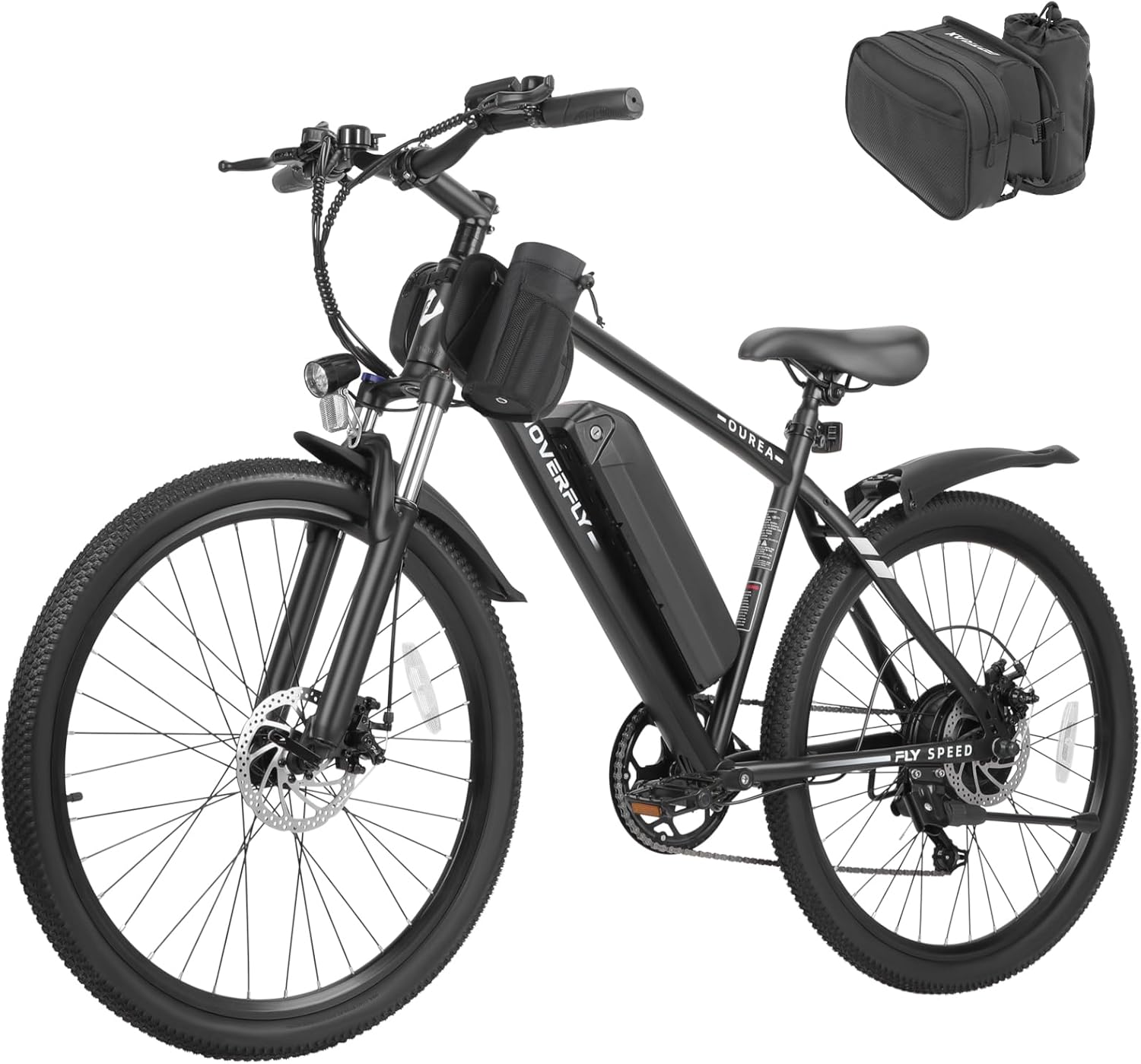

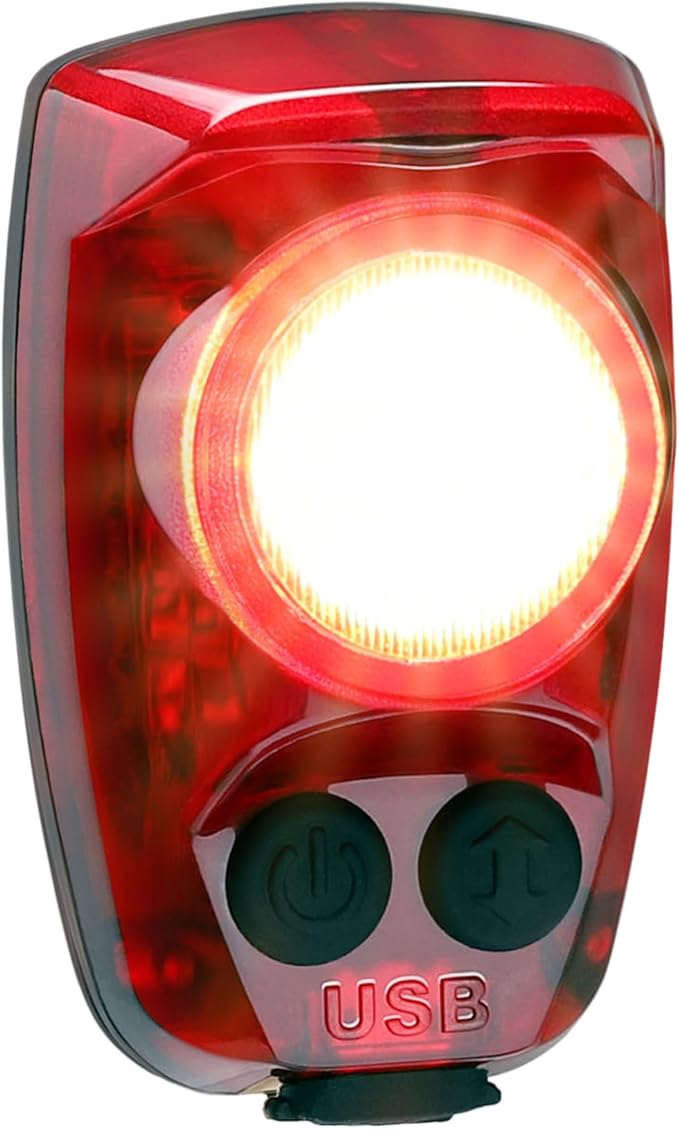
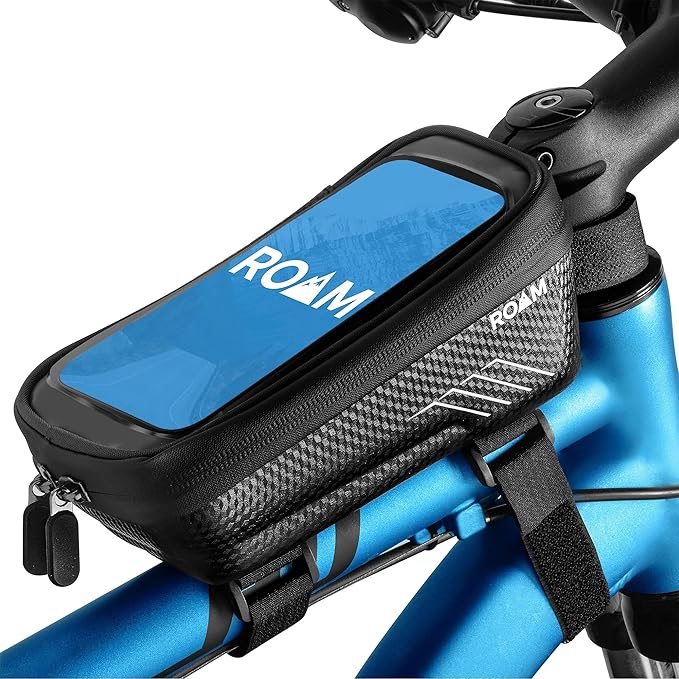
The good news: a well-maintained name-brand ebike battery (Bosch, Shimano, Bafang, or a major direct-to-consumer brand using UL 2271-listed cells with a UL 2849 system certification) is statistically very safe when charged correctly. The bad news: cheap aftermarket replacements, no-name chargers, and damaged cells account for nearly every reported incident. If you're charging indoors, your equipment choices stop being optional.
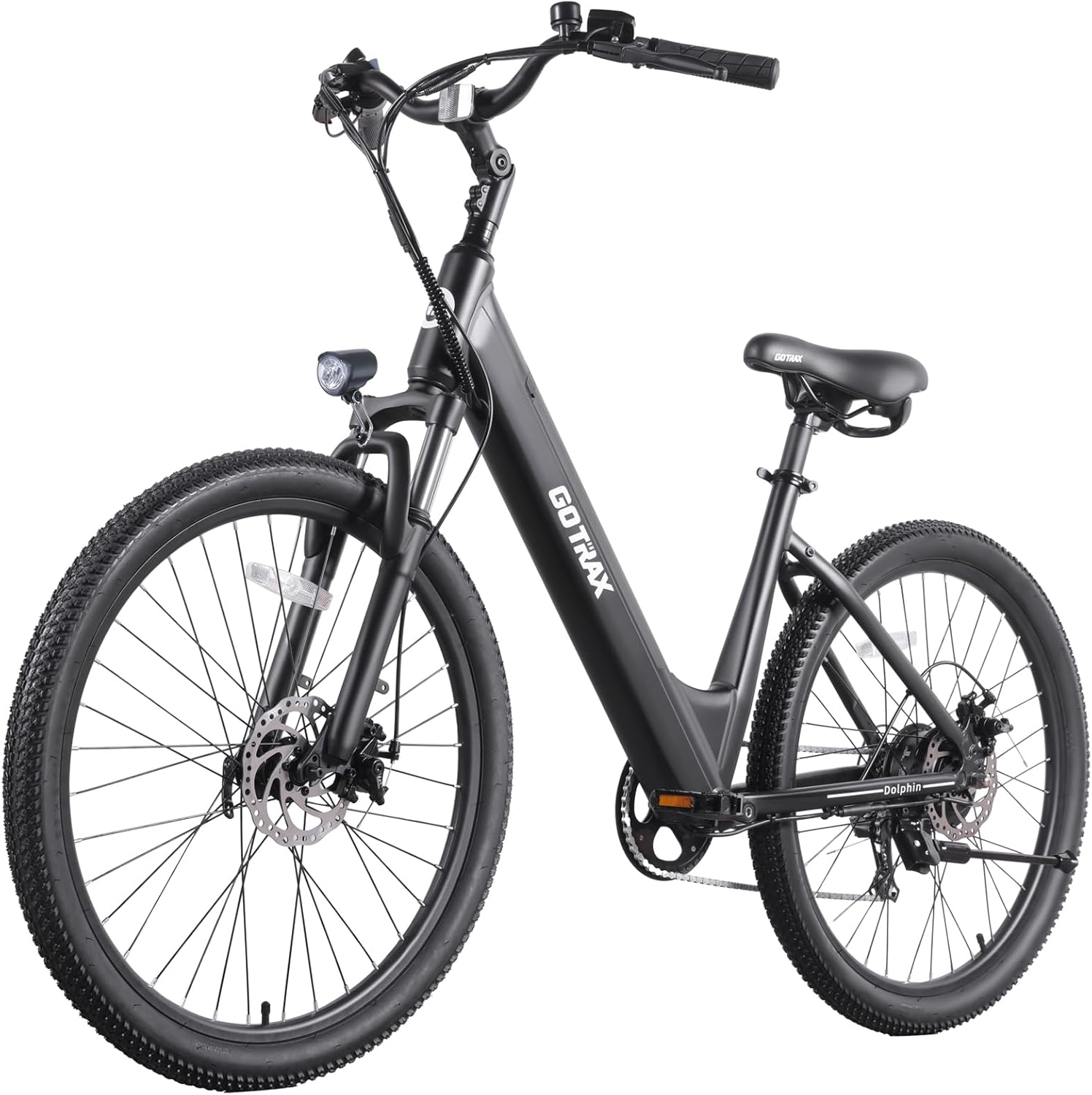
The safest spot to charge an ebike battery in a no-balcony apartment
Walk your unit and rank rooms against these criteria, from most to least important:
- Path to the exit. The battery should never be between you and your front door. If it vents, you need to walk past it to escape — that's how people get trapped.
- Non-combustible surface. Tile, stone, sealed concrete, or a steel utility shelf. Not carpet, not a wood desk, not the kitchen counter next to a paper towel roll.
- Distance from bedrooms. People sleep through smoke detector chirps more often than they admit. Keep charging zones at least one full room away from where anyone sleeps.
- Ventilation. A bathroom exhaust fan or a window that opens beats a sealed closet every time.
- Distance from gas appliances. Keep at least 3 feet from stoves, water heaters, and dryers.
For most no-balcony apartments, the winning location is one of: the entryway/foyer (closest to the front door, easy to drag the bike out), the bathroom (tile floor, exhaust fan, contained), or a dedicated section of the kitchen well away from the stove. Bedrooms, walk-in closets, and under-stair storage are the three worst choices and should be avoided regardless of convenience.
The removable-battery trick that changes everything
If your ebike has a removable battery — and most quality 2024–2026 models do — you don't need to charge the bike. You charge the pack. That single fact unlocks the best indoor strategy: pop the battery off, carry it to your designated charging zone, place it on a steel cookie sheet or fire-resistant charging bag, and leave the bike itself parked anywhere convenient. The battery is the only part that can fail dangerously; the frame, motor, and display can sit on carpet forever without consequence. If you're shopping new, our take on removable vs. built-in ebike batteries explains why removability is the single most important spec for apartment riders.
Several manufacturers now sell UL-listed fire-resistant charging bags rated for ebike-sized packs. A 24L silicone-coated fiberglass bag costs $40–80 and contains both flame and most of the smoke from a venting cell long enough for you to move it out of harm's way. Combined with a steel tray underneath, it's the closest you can get to a balcony's safety profile inside drywall.
Step-by-step: charging your ebike battery indoors
Once you know how to charge ebike battery safely in apartment with no balcony, the routine is the same every day:
- Inspect before every charge. Look for swelling, dents, cracked casing, frayed wires, or any solvent smell. A battery that's been dropped, soaked, or stored below freezing gets a 24-hour rest at room temperature before it touches a charger.
- Use the original charger or a verified replacement. Voltage and amperage must match the pack's spec exactly. The $18 universal charger on a marketplace listing is the single most common cause of apartment ebike fires.
- Plug into a wall outlet, not a power strip or extension cord. Ebike chargers pull 2–4 amps continuously for hours. Cheap extension cords overheat at the plug junction long before the battery ever does.
- Start charging when you're home and awake. A full charge from 20% takes 3–6 hours for most ebike batteries. Plug in after dinner, unplug before bed.
- Use a hardware timer. A $15 mechanical wall-plug timer cuts power at a set time even if you forget. Set it for one hour longer than your typical full charge.
- Stop at 80–90% for daily use. Lithium cells live longer and run cooler when you don't push them to 100% every cycle. Save full charges for long rides.
- Unplug as soon as charging finishes. A finished battery sitting on a live charger isn't "topping off" — it's quietly stressing the cells.
Gear that makes indoor charging safer
Beyond a good charger and a fire-resistant bag, three pieces of equipment punch well above their weight for renters:
![ANCHEER Electric Bike for Adults, [Peak 750W Motor] Electric Mountain Bike, 26](https://ebikeroo.com/aimg/images/I/81ysutjM6zL._AC_SL1500_.jpg)
A photoelectric smoke alarm within 10 feet of the charging spot
Most apartments come with one ionization smoke alarm in a hallway. That sensor is great for flaming fires and slow for the smoldering, smoky fires lithium batteries produce in their early-failure phase. A second, photoelectric alarm mounted on the ceiling within 10 feet of where you charge gives you a critical 60–120 second head start. Hardwired or 10-year sealed lithium models both work; just don't rely on a 9V you'll forget to replace.
![ANCHEER Electric Bike for Adults, [Peak 750W Motor] Electric Mountain Bike, 26](https://ebikeroo.com/aimg/images/I/71YQJ-mSp7L._AC_SL1500_.jpg)
A Class D or "lithium-rated" fire extinguisher within arm's reach
Standard ABC extinguishers handle the secondary fire (curtains, furniture) but do almost nothing to stop a battery in thermal runaway. F-500 EA aerosol cans or AVD lithium-specific extinguishers are designed to cool the cells and break the chain reaction. Keep one within three steps of the charging zone, not under the kitchen sink.
A smart plug with energy monitoring
A $20 Wi-Fi smart plug that reports current draw lets you watch the charge curve from your phone. When wattage drops to near zero, the pack is done — your plug can cut power automatically and ping your phone. Some renters wire this through Home Assistant or Alexa routines to text them if power draw spikes unexpectedly mid-charge, which is one of the earliest signs of a developing cell fault.
What to do if the battery starts smoking, swelling, or smelling sweet
A venting lithium cell smells like a mix of solvent, burnt plastic, and something faintly sweet (ethylene carbonate). If you ever smell that during a charge, treat it as a five-alarm emergency:
- Don't try to move the battery with your bare hands. Cells in thermal runaway can reach 600°C in under a minute.
- If safe in the first 15 seconds, unplug the charger from the wall.
- Get every person and pet out of the unit, closing (not locking) the door behind you.
- Pull the fire alarm in the hallway and call 911 from outside the building. Tell dispatch it's a lithium battery — they'll send extra units.
- Do not pour water unless you have a Class D extinguisher's worth of it (gallons, not cups). Small amounts of water can splash and spread burning electrolyte.
Battery fires reignite. A pack that looks "out" can flare back up 20 minutes later. Fire crews routinely put vented packs into water-filled drums for hours. Let them handle disposal — never bag a damaged battery and put it in the trash chute. For longer-term care, our ebike battery storage temperature guide covers the off-season rules that prevent most of these failures before they start.
Building rules, insurance, and your lease
By 2026, a growing number of US and Canadian apartment buildings have written ebike charging into the lease. Some require UL 2849 certification on file. Some restrict charging to bike rooms or basement storage. Some ban indoor charging outright. Read your lease before you ride home with a new ebike — finding out after the fact that your renter's insurance is voided by an undisclosed lithium device is an expensive surprise.
If your building has a bike room with outlets, that's almost always safer than your unit: concrete floors, sprinklers, separation from sleeping areas. The trade-off is theft risk, which a quality lock and a removable battery (carried up to your unit, charged separately) handles cleanly.
What about ebikes with built-in batteries?
Some premium ebikes (certain Specialized, Trek, and VanMoof-derived models) use integrated, non-removable batteries. You have two choices: charge the whole bike in your safest indoor spot using all the rules above, or use a partial-charge strategy that never exceeds 80% to keep cell temperatures lower throughout the cycle. Either way, the bike goes on the tile, not the rug, and the charger plugs into the wall, not the surge protector behind your TV.
Frequently Asked Questions
Is it safe to charge an ebike battery overnight in a studio apartment?
No — not as a routine. Overnight charging is the single highest-risk pattern because you're asleep during the most likely failure window (the last 10% of charge and the first hour after reaching 100%). If you have no other option, use a hardware timer set to cut power 30 minutes after the pack hits full, keep the battery on tile or in a fire-resistant bag, and make sure a photoelectric smoke alarm is within line of sight of your bed.
Can I charge my ebike battery in a closet to hide it?
Closets are one of the worst choices. They trap heat, contain combustible materials (clothes, cardboard, wood shelving), and delay smoke detection. If you absolutely must use a closet for visual reasons, leave the door fully open during the entire charge cycle, remove all flammable items within 3 feet, and place the battery on a steel tray. A bathroom with the exhaust fan running is almost always a safer "hidden" alternative.
How long does an ebike battery take to charge from empty?
Most 500–750 Wh ebike batteries take 3.5 to 6 hours from near-empty to 100% on a standard 2A charger. A 4A fast charger cuts that to 2–3 hours but runs hotter, which matters more indoors than outdoors. For apartment use, the standard charger is the better trade-off — slower charging produces less heat and gives you more visual check-ins along the way.
What's the difference between UL 2271 and UL 2849 certification?
UL 2271 certifies the battery cells and pack. UL 2849 certifies the full electrical system — battery, charger, controller, and motor — as a tested combination. For apartment charging, UL 2849 is the gold standard because it means the charger and pack were tested as a matched pair. New York City made UL 2849 a sale requirement for ebikes in 2023; expect similar rules across the US by 2027.
Can I store and charge my ebike battery in the same room I sleep in?
You can store it there safely (cells at 30–60% state of charge, away from heat sources). You should not charge it there. The two activities have very different risk profiles — a battery at rest is overwhelmingly safe; a battery taking current is when 95% of incidents happen. If your studio gives you no separation option, charge while you're awake in the main living area and move the battery to a corner away from the bed after unplugging.
Do fire-resistant lithium battery bags actually work for ebike-sized packs?
Yes, with caveats. A quality silicone-coated fiberglass bag rated for the watt-hour capacity of your battery will contain flames and most of the smoke for several minutes — long enough to evacuate and call 911. They are not magic; they cannot stop a fully venting pack indefinitely. Treat the bag as the last line of containment, not as permission to charge unattended in a riskier location.
Is it safer to charge my ebike battery at work instead of at home?
Often, yes — if your workplace has appropriate facilities and permits it. Commercial buildings typically have sprinklers, fire-rated construction, and trained on-site response. Just confirm in writing with your facilities team, and don't leave the battery plugged in after hours when nobody's around to respond. A growing number of bike commuters split the cycle: 80% top-up at the office and a careful, timer-managed indoor charge at home only when needed — which is the most sustainable answer to how to charge ebike battery safely in apartment with no balcony over the long term.
Key Takeaways
- Choosing the right how to charge ebike battery safely in apartment with no balcony means matching capacity and output ports to your actual devices
- Always check actual watt-hours (Wh), not just watts — runtime depends on Wh, not peak output
- Also covers: indoor ebike charging safety small apartment
- Also covers: safely charge ebike inside apartment
- Also covers: fireproof ebike charging at home
- Compare price-per-Wh across models to find the best value for your budget