The best ebike helmet for sikh dastaar wearers is almost never a standard road or commuter lid — it is an oversized open-face urban or BMX-style helmet, typically two to four sizes larger than your bare-head measurement, with a deep round shell, removable visor, and a chin strap long enough to clear a tied dastaar. Riders with uncut hair (kesh) and a turban need internal volume, not just circumference, because a joora (top knot) and the layered cotton or voile of a dastaar add height as well as width. In 2026, the practical answer is a Class 1 or Class 2 ebike-rated open-face helmet in XXL or 3XL, worn over a low-profile keski or patka for shorter rides and sized up further for a full pagh.
This guide walks through the helmet styles that actually clear a turban, how to measure your dastaar properly, and the companion ebike accessories that make a Sikh rider's daily commute safer and more comfortable.
Why standard ebike helmets do not fit over a dastaar
Most ebike helmets are designed around an oval head shape with roughly 54–62 cm of circumference. A tied dastaar adds anywhere from 4 to 12 cm to that measurement depending on style — a small dumalla, a Kenyan-style pagh, a Patiala Shahi, or a Nok pagh all stack differently. More importantly, the kesh joora sits high on the crown, pushing the helmet's natural seating point upward. Force a too-small helmet down and you compress the dastaar, slide it sideways, and place the helmet's energy-absorbing foam off the actual skull — which means it cannot protect you in a crash.
![Lamicall Bike Frame Bag Waterproof - [1s Release] [2 in 1] Bike Phone Mount Holder, Bicycle Top Tube Bag, Cycling Pouch with Rain Cover, Bikes Accessories Gifts for Phones Under 7"](https://ebikeroo.com/aimg/images/I/71VKkKd2xtL._AC_SX679_.jpg)
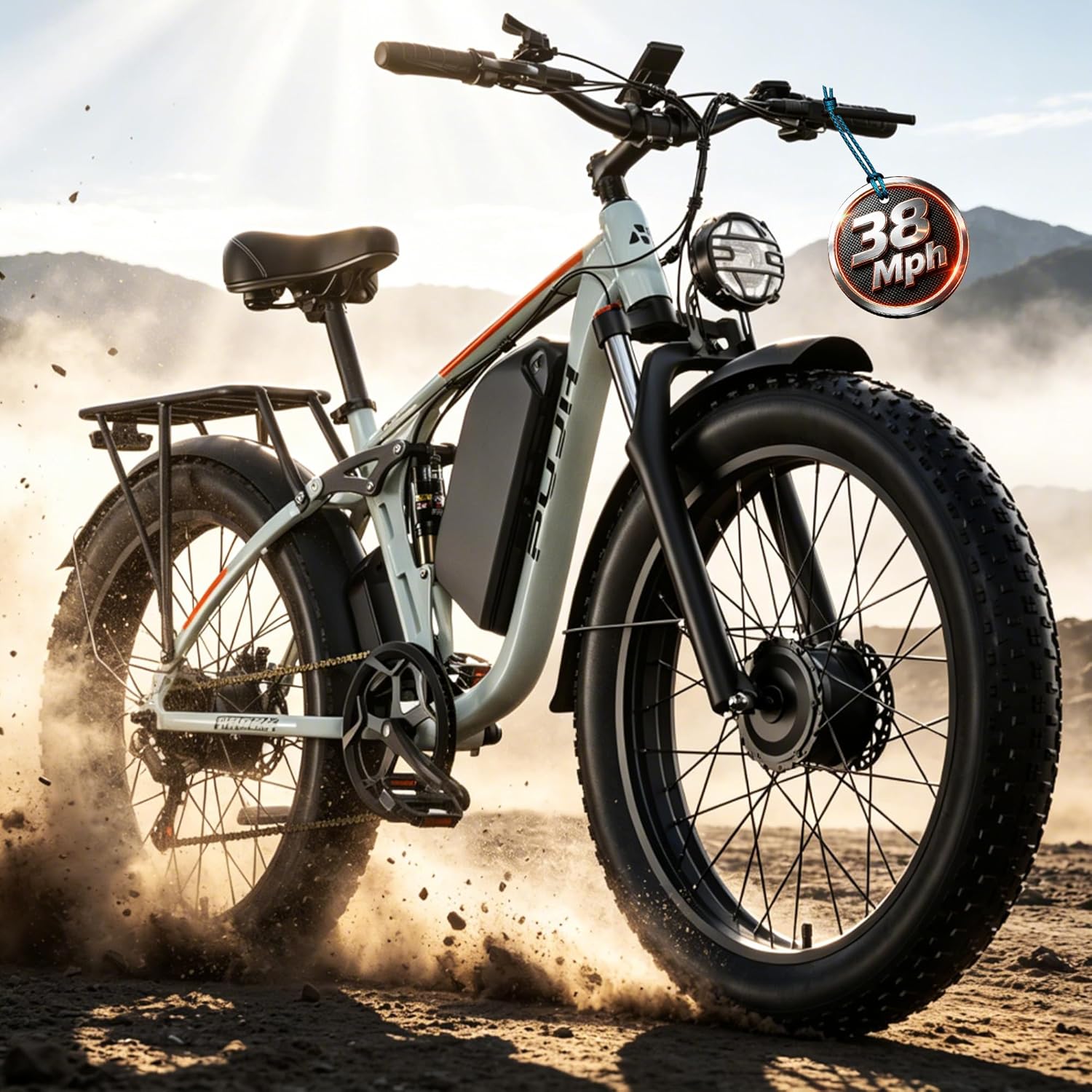
The best ebike helmet for sikh dastaar wearers solves three problems at once: it accommodates the vertical height of the joora, it has enough internal circumference for the wrapped fabric, and its retention system (chin strap, rear dial) still tightens enough to keep the shell stable at 28 mph ebike speeds.
Helmet styles that work for turban and uncut hair
Oversized open-face urban / NTA-8776 ebike helmets
Open-face urban helmets certified to the Dutch NTA-8776 standard (the speed-pedelec rating) are the strongest starting point. They are deeper than typical bike helmets, often available in sizes through 64 cm and XXL, and have soft straps without rigid chin cups. Look for models with an adjustable rear dial that opens wider than 62 cm and a removable visor so you can clear the front of a tall dumalla.
Oversized skate / BMX dual-certified helmets
Dual-certified skate helmets (CPSC bicycle + ASTM F1492 skate) tend to have round, deep shells with generous internal volume. Many brands offer XXL or 3XL options that fit heads up to 64–66 cm. For a smaller keski or patka, these are often the most affordable workable option. The trade-off is less ventilation than a road-style helmet, which matters on hot Class 3 commutes.
Modular motorcycle-style ebike helmets
For Class 3 ebikes that hit 28 mph in city traffic, some riders move up to a DOT-rated open-face motorcycle helmet in 3XL. The shell volume is much larger, the EPS liner is thicker, and chin straps include D-ring closures that accommodate a tied dastaar without pinching. These weigh more (1.0–1.3 kg) but are the gold standard for a full pagh.
How to measure your dastaar before buying
Tie your turban the way you normally would for a ride. Then measure three things with a soft tape:
- Circumference at the widest point of the tied dastaar, just above the eyebrows and around the back, level with the occipital bone.
- Front-to-back length over the crown, from the hairline at your forehead to the base of the skull, passing over the joora.
- Joora height — the vertical distance from your bare crown to the top of the tied turban.
Add roughly 1 cm of tolerance to each measurement. If the circumference exceeds 62 cm, you are firmly in XXL/3XL territory and should not bother with standard bike helmet sizing charts. For a Patiala Shahi or dumalla over 64 cm, plan on an open-face motorcycle helmet.
Comparison: helmet categories for Sikh ebike riders
| Helmet category | Best for | Typical max size | Certification | Weight |
|---|---|---|---|---|
| Oversized urban / NTA-8776 | Keski, patka, small dastaar | 62–64 cm | CPSC + NTA-8776 | 450–650 g |
| Dual-cert skate / BMX (XXL/3XL) | Patka, medium dastaar, school commute | 64–65 cm | CPSC + ASTM F1492 | 500–700 g |
| Open-face motorcycle (3XL) | Full pagh, dumalla, Class 3 speed | 65–68 cm | DOT / ECE 22.06 | 1000–1300 g |
| Standard road / commuter | Not recommended for dastaar | 61–62 cm | CPSC | 250–350 g |
Fit tips specific to kesh and a tied dastaar
Once the helmet shell is the right size, the small details determine whether it stays on. A few practical tips from riders in Punjab, Surrey, Brampton, and the Bay Area:
- Tie a flatter, lower-profile keski for riding if your daily dastaar is tall. Many riders keep a dedicated "riding keski" that compresses the joora slightly without disturbing kesh.
- Use a thin moisture-wicking under-cap only if your faith practice permits — otherwise rely on the dastaar's own absorbency and rinse it after sweaty rides.
- Pad the front of the helmet, not the back. Most oversized helmets ship with thicker rear pads; swap them so the helmet tilts slightly forward and covers your forehead properly.
- Run the chin strap behind the beard, not through it, to avoid pulling at facial hair on dismount.
Companion ebike accessories every Sikh commuter should consider
A helmet is the headline purchase, but a few accessories make the daily ride safer and more comfortable — particularly for longer Class 2 and Class 3 commutes where you cannot easily stop to fix things mid-ride.
Lamicall Bike Phone Holder for turn-by-turn navigation
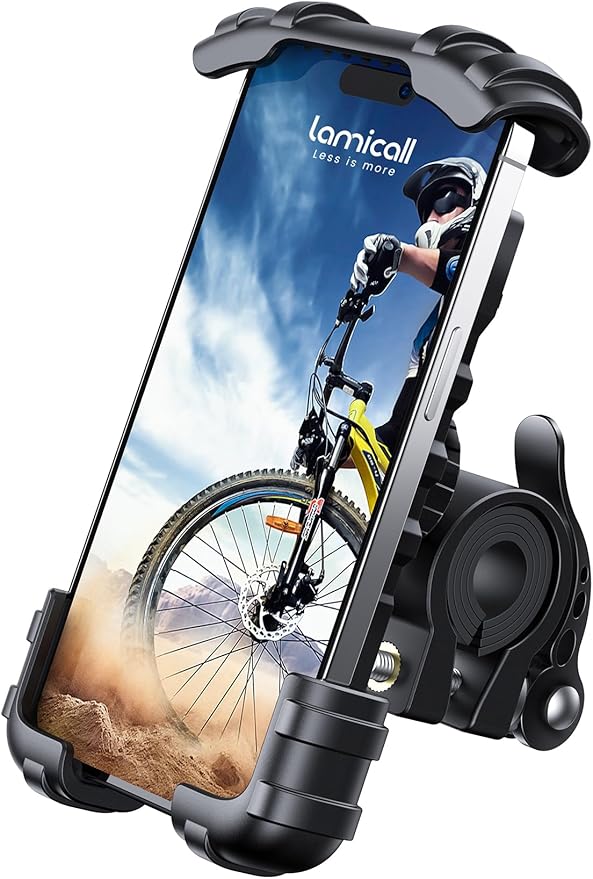
When your helmet sits higher because of a dastaar, glancing down at a handlebar-mounted phone is more comfortable than craning your neck to read a head-up display. The Lamicall Bike Phone Holder clamps to standard and oversized ebike handlebars, rotates 360 degrees, and locks the phone with a one-touch arm — useful when you are already managing gloves, a kara on the wrist, and a tied dastaar that limits peripheral vision. Check current price on Amazon.
Roam Universal Bike Phone Holder with waterproof case
For monsoon commutes in Punjab or the rainy Pacific Northwest, the Roam Universal mount adds a sealed waterproof pouch on top of the same secure clamp design. It accepts most phone sizes up to a Pro Max and uses silicone net straps as a backup retention — important when an ebike's torque can shake a poorly clamped phone loose on rough pavement. View on Amazon.
Lamicall Waterproof Bike Frame Bag with Phone Mount
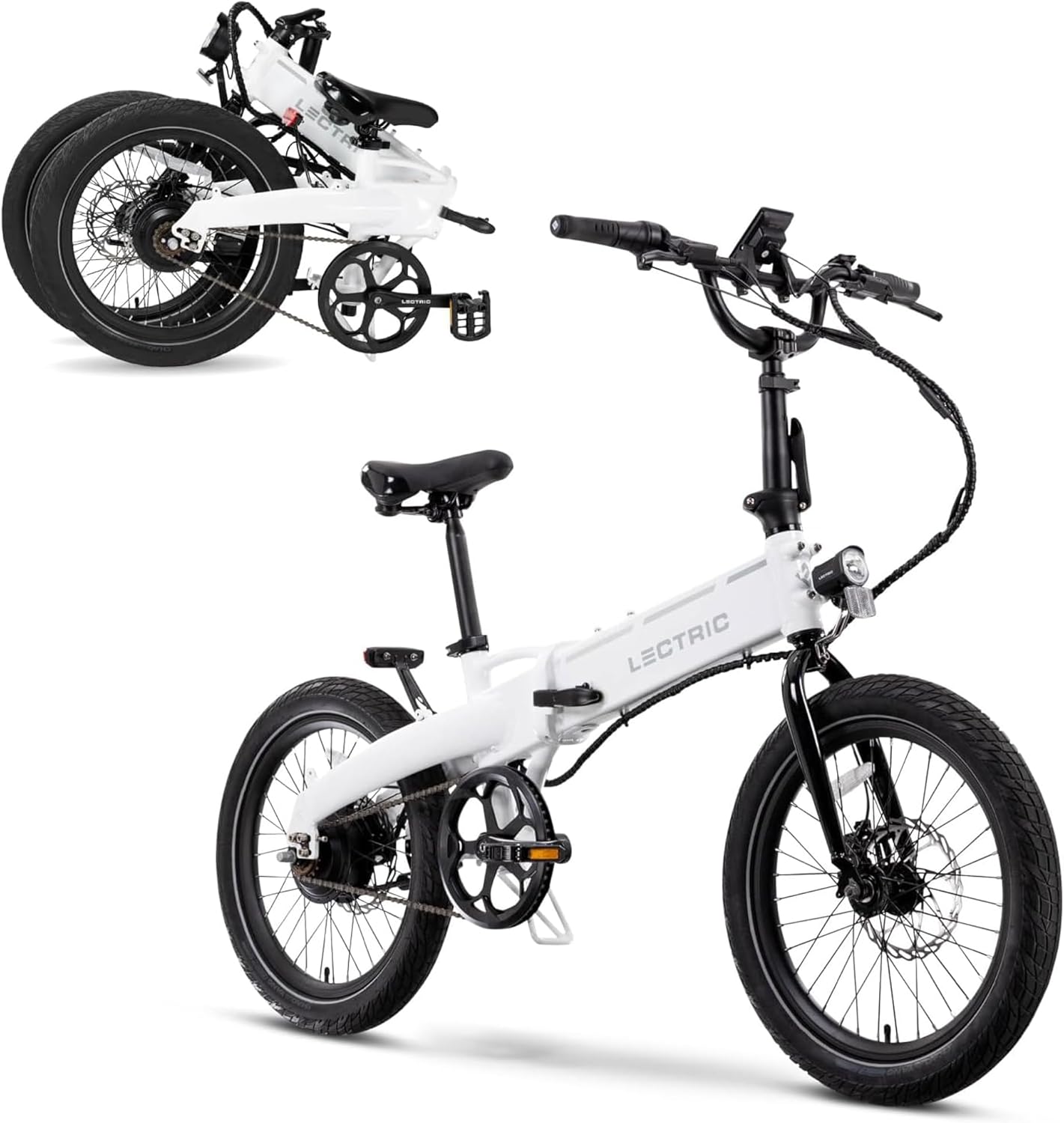
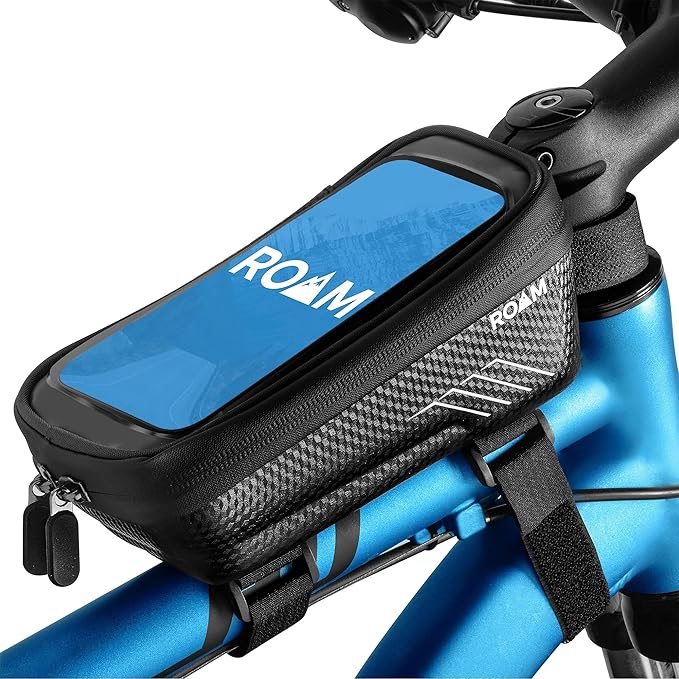
If you carry a folded spare keski, a small kanga, or a bottle of amritvela water, a top-tube frame bag keeps it dry and out of the way. The Lamicall 2-in-1 frame bag pairs a waterproof zippered compartment with an integrated phone window so you can navigate without a separate handlebar mount. The triangular shape suits most ebike frames including step-through models popular with older riders. See details on Amazon.
Airmoto Portable Tire Inflator for fat-tire and cargo ebikes
Many family-oriented Sikh households run cargo ebikes for school drop-off and gurdwara trips. Those bikes carry heavy loads on wide tires, which lose pressure faster and ride poorly when underinflated. The Airmoto fits in a backpack or pannier, hits 120 PSI, and inflates a fat tire from flat in roughly four to five minutes — far quicker than a hand pump when you are already dressed for sangat. View on Amazon.
Visibility and night riding with a dastaar
A tall dastaar actually increases your visible profile from behind — drivers spot you sooner than they would a low-helmeted rider. Lean into that by choosing a helmet shell in a bright matte color (saffron, royal blue, or hi-vis yellow are popular within the panth) and add a rear-facing helmet light clipped to the back of the shell, not to the dastaar fabric itself. For more on lighting setups that work with oversized helmets, see our ebike commuter accessories guide.
Caring for your dastaar after sweaty rides
Even the best ebike helmet for sikh dastaar wearers will trap some heat. Voile and malmal dastaars rinse out cleanly in cold water; cotton patkas can go in the washing machine on delicate. Air-dry rather than tumble-dry to preserve the starch and weave. Most riders keep two dastaars in rotation — one starched and one in the wash — so a ride never forces them into a stiff, just-tied turban that does not seat correctly under the helmet.
Frequently Asked Questions
Is it permissible in Sikhi to wear a helmet over a dastaar?
This is a personal and panthic question rather than a product question. Many Sikh communities in Canada, the UK, and parts of the US have legal helmet exemptions for keshdhari and dastaar-wearing riders on traditional bicycles. For Class 2 and Class 3 ebikes, however, most jurisdictions require a helmet regardless of religious exemption, and many riders choose oversized helmets that fit over the dastaar as a practical safety compromise. Consult your local sangat and traffic regulations.
What size ebike helmet do I need for a Patiala Shahi pagh?
A traditional Patiala Shahi typically measures 62–66 cm at the widest point once tied. You will need an XXL or 3XL helmet — usually an open-face motorcycle-style helmet rather than a bicycle helmet — and you should measure with the pagh actually tied rather than relying on your bare-head circumference.
Can a child with a patka wear a regular kids' ebike helmet?
Most children's patkas add only 1–2 cm to the head circumference, so a youth helmet sized up by one size category (medium instead of small, for example) usually works. Check that the chin strap clears the patka's knot without pulling. For young riders just starting on Class 1 ebikes, see our roundup of ebike helmets for larger and oversized heads.
Do any brands make ebike helmets specifically for turban wearers?
As of 2026, no major helmet brand markets a model specifically for dastaar wearers, but several Dutch and Indian brands offer XXL and 3XL urban ebike helmets that fit a tied turban once you size up. Sikh cyclist communities in Vancouver and London have also published shared fit lists worth searching before you buy.
Will a helmet damage my kesh or pull at my hair?
A properly fitted helmet should not pull kesh because the dastaar itself acts as a barrier between the helmet liner and your hair. Problems typically come from a too-small helmet that compresses the joora unevenly, or from a chin strap routed through the beard. Size up and adjust strap routing before assuming the helmet itself is at fault.
What about an ebike helmet with built-in turn signals for a Sikh rider?
Smart helmets with integrated rear LED turn signals work well for dastaar wearers because the electronics sit at the back of the shell, away from the joora. Just confirm the XL or XXL version is available — many smart helmets top out at L. Pair with a handlebar remote so you do not need to reach up to a helmet button mid-turn.
How often should I replace an ebike helmet worn over a dastaar?
Standard guidance — every 3–5 years, or immediately after any impact — applies regardless of how you wear it. Dastaar wearers often see helmet liners last longer because the fabric absorbs sweat that would otherwise degrade the EPS foam, but UV exposure and shell brittleness still set the upper limit.
Bottom line
The best ebike helmet for sikh dastaar wearers in 2026 is an oversized open-face urban helmet in XXL or 3XL for keski and small dastaar setups, or a DOT-rated open-face motorcycle helmet in 3XL for a full pagh on Class 3 speeds. Measure with your turban actually tied, size up beyond standard charts, and pair the helmet with a good handlebar phone mount, a frame bag, and a portable tire inflator so you spend less time stopped at the roadside and more time riding. For broader gear picks across the niche, see our Sikh cyclist gear guide.
Key Takeaways
- Choosing the right best ebike helmet for sikh dastaar wearers means matching capacity and output ports to your actual devices
- Always check actual watt-hours (Wh), not just watts — runtime depends on Wh, not peak output
- Also covers: ebike helmet that fits over turban
- Also covers: sikh cyclist helmet for uncut hair
- Also covers: oversized helmet for dastaar
- Compare price-per-Wh across models to find the best value for your budget