The best ebike child seat for toddlers with special needs and extra support in 2026 is one that combines a five-point harness with secondary chest/torso straps, adjustable recline of 30° or more for low-tone children, lateral head wings to stabilize an unsupported neck, and footwell cups deep enough to clear AFOs or other orthotics. Most off-the-shelf rear seats fail at least one of those criteria, so parents of toddlers with cerebral palsy, hypotonia, Down syndrome, autism with sensory processing differences, or post-surgical bracing typically pair a base seat with an aftermarket medical insert or step up to a recumbent trailer carrier.
This guide walks through which seats actually accommodate special-needs toddlers, the OT-approved support upgrades that make daily rides safer, and the practical accessories — phone mounts, tire inflators, frame bags — that every parent hauling a child with extra equipment ends up needing within the first month.
What "Extra Support" Actually Means on an Ebike
For a neurotypical 18-month-old, the standard five-point harness on a Thule Yepp Maxi or Hamax Caress is enough. For a toddler with low core tone or atypical postural control, the support requirements are a different problem entirely. You need:
![Lamicall Bike Frame Bag Waterproof - [1s Release] [2 in 1] Bike Phone Mount Holder, Bicycle Top Tube Bag, Cycling Pouch with Rain Cover, Bikes Accessories Gifts for Phones Under 7"](https://ebikeroo.com/aimg/images/I/71VKkKd2xtL._AC_SX679_.jpg)
- Lateral trunk support — padded wings on either side of the ribcage that prevent sideways collapse during turns. Stock seats have shallow shells; you'll add foam wedges or a medical seat insert.
- Head and neck stabilization — a head wing or halo that keeps the helmet aligned over the spine. Critical for kids whose neck control fatigues quickly.
- Adjustable deep recline — 30° or more from vertical, ideally adjustable mid-ride.
- Wide harness pads — to spread webbing away from a g-tube site, port, or shunt scar.
- Footwell depth and adjustability — AFOs, SMOs, and DAFOs add 1–2 inches of length; standard footwells run short.
- Vibration dampening — kids with sensory differences and kids with VP shunts both benefit from suspension between the seat and the frame.
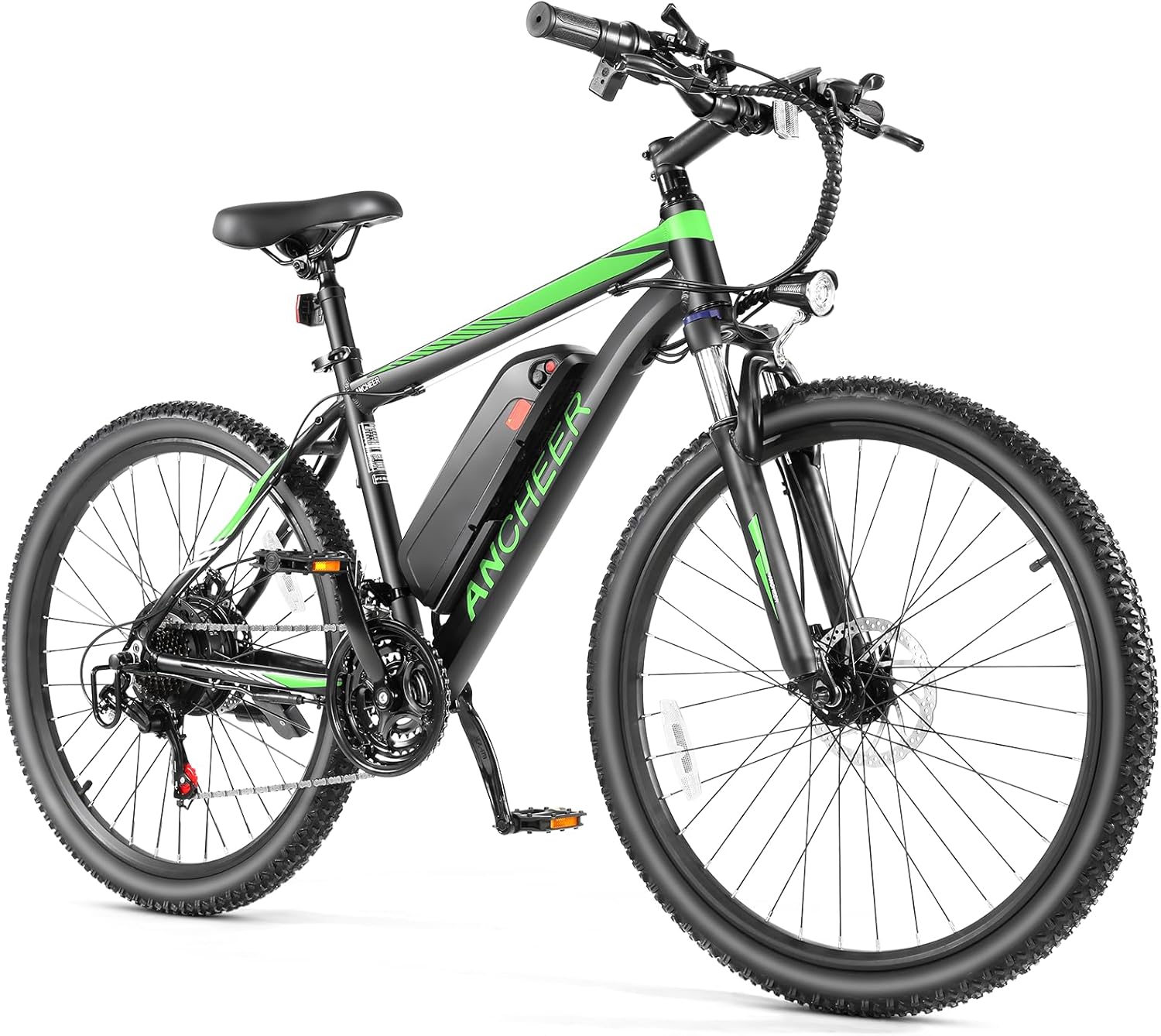
- The ebike itself — step-through frame for easier mounting with a passenger, mid-drive motor for steady torque on hills, hydraulic disc brakes for short stopping distances. See our best ebike for families with toddlers guide.
- The seat or carrier — Yepp Maxi 2, Hamax Caress, or Weehoo iGo with the appropriate medical insert.
- The harness/support upgrade — Special Tomato MPS, Inspired by Drive insert, or a custom OT-fitted harness.
- The helmet — many special-needs kids need MIPS-equipped helmets sized one increment up to clear medical headgear. Details in our ebike child seat safety guide.
- The accessories — tire inflator, phone mount, frame bag for medical supplies, mirror for monitoring the child without head-turning.
- The route — pre-mapped to therapy, daycare, parks, with cell coverage verified end-to-end.
If a seat misses two or more of those, it is not the right base for a special-needs setup, no matter how well it is rated for typical toddlers.
Top Ebike Child Seat Picks for Special-Needs Toddlers (2026)
Thule Yepp Maxi 2 with Adaptive Insert (Rear-Mounted)
The base Yepp Maxi 2 is the most modifiable mainstream seat on the market in 2026. The deep shell accepts third-party medical inserts from Special Tomato and Inspired by Drive — the MPS Mini insert fits inside the Yepp shell with minimal modification and adds full lateral trunk supports plus a contoured head wing. The five-point harness sits high enough to clear most g-tubes. Recline is fixed at the seat level, but a wedge insert provides effective semi-recline. Rated to 48.5 lbs, which covers most toddlers through age 5–6.
Hamax Caress Observer with Recline Function
The Hamax Caress is the only mainstream rear seat in 2026 with true on-the-bike recline adjustment — important for kids who fatigue mid-ride and need to drop back without you dismounting. The shell already wraps the trunk more than competitors, and the suspension at the frame mount dampens cobblestone and pothole impact significantly. Pair it with a Stabilo head support strap (sold separately by adaptive cycling vendors) for kids without independent head control. This is the seat most pediatric PTs recommend first.
Mac Ride Front-Mounted Carrier (with Custom Harness)
For toddlers who do better with a parent's arms wrapped around them — common with sensory-seeking kids and many autistic toddlers who need proprioceptive input — a front-mounted Mac Ride puts the child between your arms with shared sight lines. It does not include a safety harness as standard, so it is only appropriate for kids with independent trunk and head control, or paired with a custom harness from an adaptive cycling specialist. Best for kids 2–5 who regulate through deep pressure.
Weehoo iGo Blast (Trailer-Bike with Recumbent Position)
For older or larger toddlers (3+), a recumbent trailer like the Weehoo iGo lets the child ride semi-reclined with a full harness and lumbar support, with no balance or core-control demands. It sits lower to the ground (lower fall risk) and the recumbent position is gentler on kids with hip dysplasia, post-op hip patients, or kids in hip-abduction braces. This is often the right answer when a child outgrows rear seats but is not yet ready for a tag-along.
Essential Support Accessories for Special-Needs Ebike Setups
The seat is half the system. The other half is the accessories that make daily rides repeatable: correct tire pressure for the extra payload, hands-free navigation, and fast access to the medical supplies (suction, rescue meds, feeding pump batteries) that travel with you everywhere. Below are the accessories we recommend for the best ebike child seat for toddlers with special needs and extra support.
Airmoto Portable Tire Inflator
An ebike carrying a 30-lb adaptive seat plus a 35-lb toddler plus medical bag is running at the upper edge of its rated payload. Tire pressure matters more — under-inflated tires sidewall-flex unpredictably under load and pinch-flat over curbs. The Airmoto is small enough to live in a saddle bag, runs off a built-in battery (no plugging into the ebike), and pre-sets to your target PSI so you can air up in 60 seconds before every ride. Grab it at Airmoto on Amazon.
Cordless Tire Inflator (Higher-Capacity Alternative)
If you also air up a stroller, manual wheelchair tires, or your car, the heavier-duty cordless inflator gives you more cycles per charge and pushes higher pressure for automotive tires. Check the Cordless Tire Inflator on Amazon.
Lamicall Bike Phone Holder
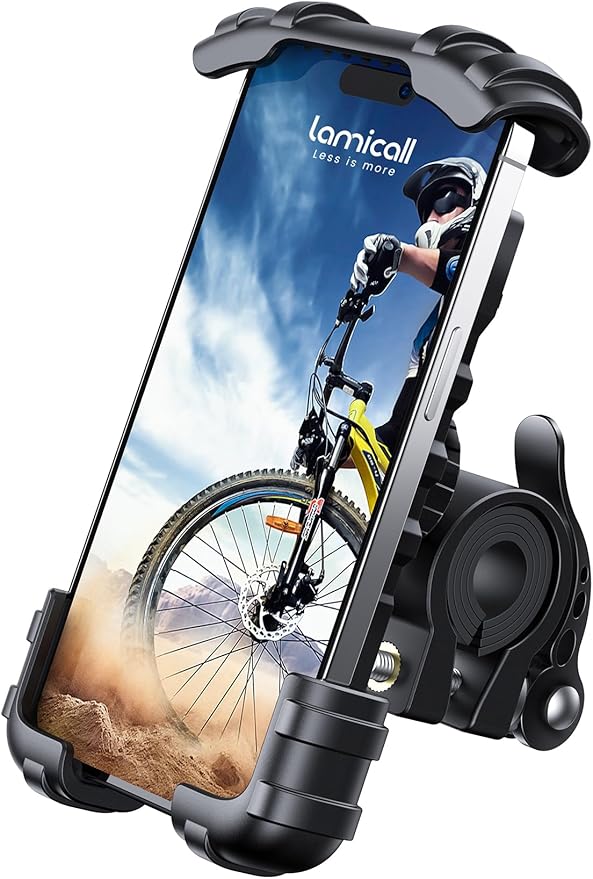
Hands-on-the-bars navigation is non-negotiable when you are carrying a child who could signal distress mid-ride. The Lamicall mount uses a one-handed clamp, fits phones with cases, and damps pothole vibration enough that it will not shake loose. Critical for following turn-by-turn directions to therapy appointments without taking your eyes off the road. Available on Amazon here.
Lamicall 2-in-1 Waterproof Frame Bag + Phone Mount
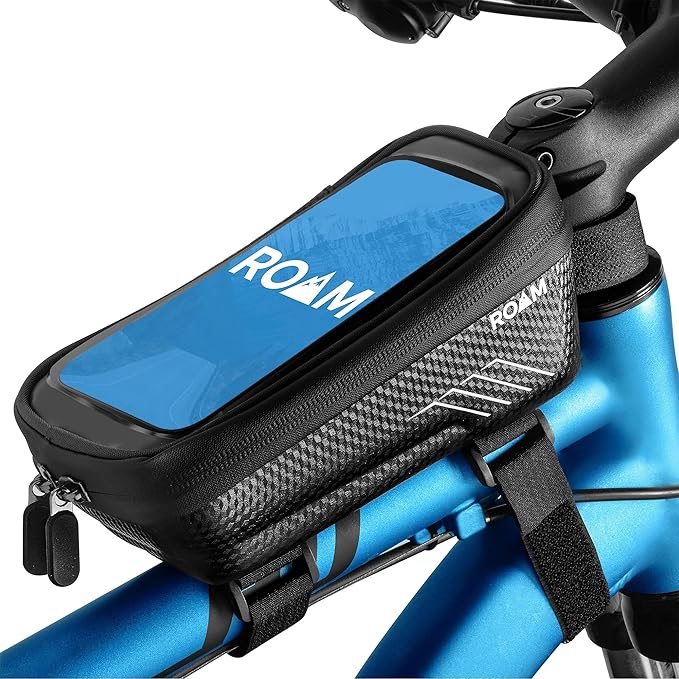
The 2-in-1 bag mounts on the top tube and gives you secured phone visibility plus a waterproof compartment for rescue meds, a portable suction unit, feeding pump batteries, or seizure-rescue benzodiazepines. The right answer when you need a glucagon kit, Diastat, or epi-pen reachable in two seconds, not two minutes. Find it on Amazon.
Roam Universal Phone Holder + Waterproof Case
If you ride in heavy rain or near coastal areas, the Roam fully encloses the phone in a clear waterproof case while keeping the touchscreen usable. Useful for parents who run a phone-based feeding pump monitor, pulse-ox app, or seizure detection app and cannot risk losing signal mid-ride. Check it at Amazon.
Accessory Comparison Table
| Accessory | Best For | Key Feature | Why It Matters for Special-Needs Rides |
|---|---|---|---|
| Airmoto Tire Inflator | Daily pre-ride checks | Pre-set PSI, cordless, pocket-size | Heavier payload demands precise tire pressure |
| Cordless Tire Inflator | Multi-tire households | Higher capacity, faster cycles | Also airs up wheelchair / stroller / car tires |
| Lamicall Phone Holder | Turn-by-turn nav | One-handed clamp, vibration-damped | Hands stay on the bars while routing to therapy |
| Lamicall 2-in-1 Frame Bag | Carrying medical kit | Waterproof storage + phone mount | Rescue meds within two-second reach |
| Roam Waterproof Case | Wet-weather riders | Fully sealed clear case | Keeps medical monitoring apps usable in rain |
How to Build the Full Special-Needs Ebike System
The seat is the foundation, but a complete setup is a stack:
Do not underestimate the route piece. Parents of special-needs kids cycle for therapy appointments, sensory regulation, and medical visits — your route choice affects vibration exposure (relevant for VP shunts), heat exposure (relevant for kids with thermoregulation issues), and access to backup transport if the ride needs to end early.
Working with Your Pediatric PT/OT Before You Buy
Before spending $400+ on a seat plus insert, get your child's physical or occupational therapist to evaluate the proposed setup. They can identify positioning issues you would miss — pressure points over a port, hip abduction angles that aggravate dysplasia, head positioning that interferes with airway. Many adaptive cycling programs (Variety, Great Bike Giveaway, Project Mobility) will let you trial-fit equipment before purchase. For more on professional fitting, see our adaptive cycling resources guide. Choosing the best ebike child seat for toddlers with special needs and extra support is never a generic recommendation — it is always a fit decision specific to your child's diagnosis, current postural control, and growth trajectory.
Frequently Asked Questions
What is the best ebike child seat for toddlers with cerebral palsy?
For toddlers with cerebral palsy, the Hamax Caress Observer paired with a Special Tomato MPS insert is the most-recommended setup by pediatric PTs in 2026. The on-the-bike recline lets you adjust mid-ride as tone fluctuates, and the MPS insert provides graded lateral trunk and head support. For kids with significant extension patterns, a Weehoo iGo recumbent trailer with a custom harness is often a better fit because it removes the upright postural demand entirely.
Can you put a special-needs child seat on any electric bike?
No. The bike must have a rear rack rated for the seat's load (typically 60+ lbs combined) and a frame strong enough to accept the mounting hardware. Most ebikes with integrated cargo racks (Tern HSD, Rad Power RadWagon, Aventon Abound, Yuba Kombi E5) are compatible. Lightweight road-style ebikes with carbon frames are not — the seatpost or rear stays are not rated for the load.
What weight limit do special-needs ebike child seats have?
Rear-mounted seats top out at 48.5 lbs (Thule Yepp Maxi 2) or 49 lbs (Hamax Caress). Trailer-style carriers like the Weehoo iGo go up to 80 lbs, which is why families often graduate to a trailer once their special-needs toddler outgrows the rear seat — typically between ages 4 and 6 depending on growth. Custom adaptive carriers from Triaid or Freedom Concepts handle 100+ lb riders into adolescence.
Are front or rear ebike child seats better for low-tone toddlers?
Rear seats are better for low-tone toddlers because they provide a fully-enclosed shell with adjustable recline and a deep harness. Front seats (Mac Ride, Thule Yepp Mini) require the child to maintain core control and offer minimal trunk support. The exception: very young toddlers (12–18 months) with stable trunk control may do better in a front seat because the parent can directly monitor color, breathing, and seizure activity.
How do you safely secure a toddler with sensory processing differences on an ebike?
Start with a slow trial at home — 10 minutes stationary in the seat with the bike unmoving — to acclimate the child to the harness pressure. Use a weighted lap pad if your OT approves, plus noise-canceling earmuffs under the helmet for kids overwhelmed by wind noise. Gradual exposure (5-minute rides, then 10, then 20) builds tolerance. Many sensory-seeking kids end up loving the proprioceptive input of the ride once acclimated.
What age can a toddler with special needs start riding in an ebike seat?
The standard guideline of 12 months and "sitting independently with helmet on" still applies, but for special-needs kids the practical threshold is independent head control with helmet weight added — often later than 12 months. Some kids reach this at 18–24 months; some need a custom adaptive carrier with full head support from the start. Defer to your pediatric PT, not the seat's manual.
Do you need a helmet exemption for kids with medical headgear or shunts?
No exemption — you need a helmet that fits over the headgear. Most pediatric helmet brands (Nutcase, Giro Scamp, Lazer Nutz KinetiCore) come in adjustable sizes, and your child's neurosurgeon can write a letter specifying clearance requirements over a VP shunt or DOC band. Some adaptive cycling programs maintain a library of oversized helmets for trial fitting. Always re-fit the helmet after any change in medical headgear — a helmet that fit pre-surgery may not fit post-surgery.
Key Takeaways
- Choosing the right best ebike child seat for toddlers with special needs and extra support means matching capacity and output ports to your actual devices
- Always check actual watt-hours (Wh), not just watts — runtime depends on Wh, not peak output
- Also covers: special needs ebike child seat
- Also covers: supportive toddler ebike seat
- Also covers: ebike seat for child with cp
- Compare price-per-Wh across models to find the best value for your budget